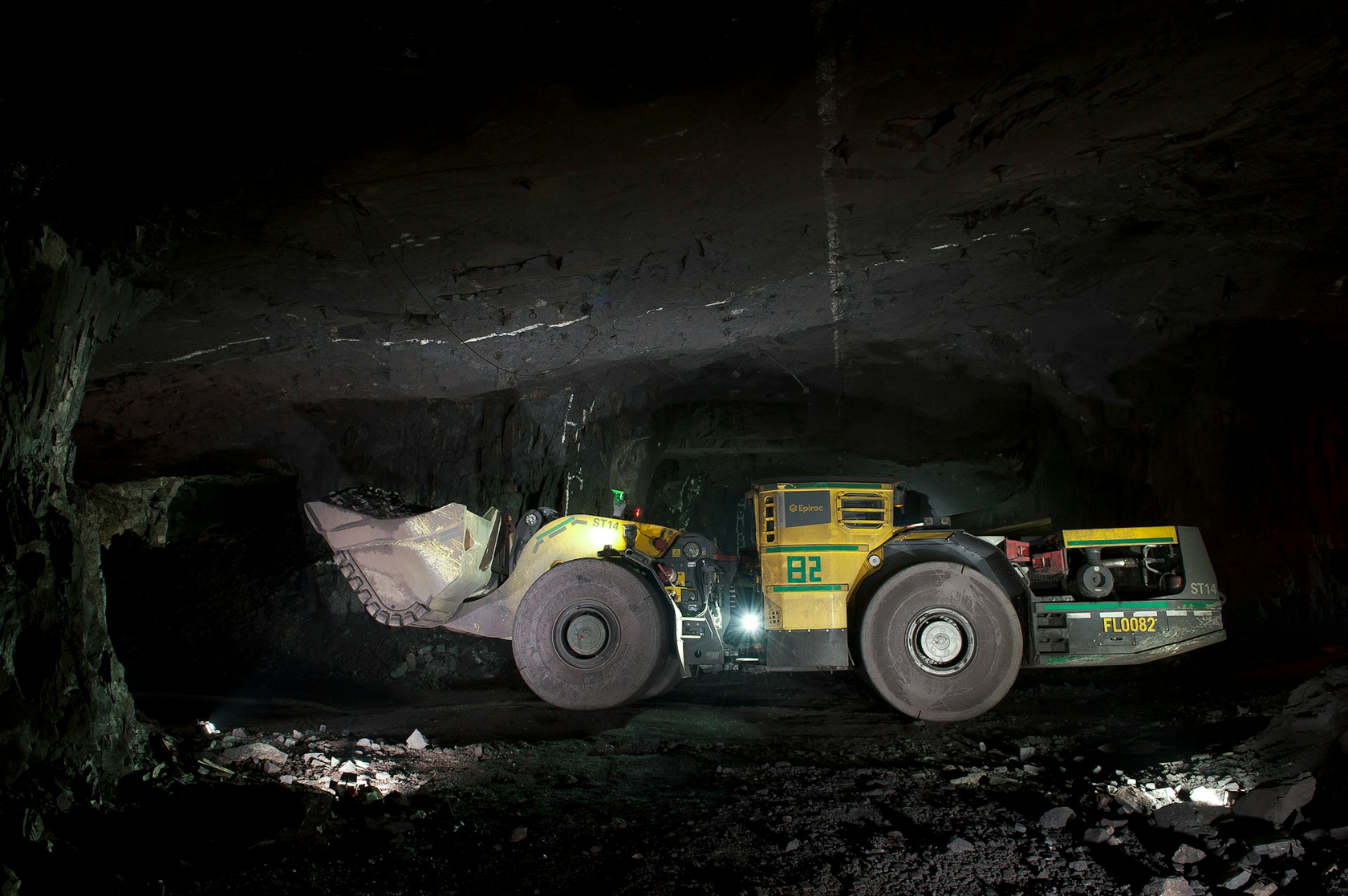
Mine accident statistics remain alarming: violations of mining regulations, outdated equipment, and the human factor continue to lead to tragic consequences. Mortality among miners remains high, and the risk of accidents is associated with methane explosions, coal dust, rock collapses, high temperatures, and insufficient ventilation. Each of these threats can cause an emergency, which, without timely safety measures, escalates into a catastrophe.
Reducing the Explosiveness of Mine Workings
The accumulation of methane and other hazardous gases in mines remains one of the main causes of accidents. To minimize the threat and ensure reliability in production, various measures are applied, combining technical solutions and strict personnel control:
- Compliance with safety standards. The basis of protection remains the disciplined adherence to rules by all employees, including engineers. Regular briefings and knowledge checks increase staff responsibility and reduce the likelihood of critical errors.
- Mine seam degassing. Preliminary removal of gas from rock masses reduces methane concentration and decreases the likelihood of ignition. Despite high costs, this technology has proven effective in reducing risks by tens of percent.
- Gas analysis in mines. Modern gas analyzers provide continuous monitoring of the atmosphere, recording methane, oxygen, and other component levels. The systems transmit data in real time, and when permissible concentrations are exceeded, warning signals are automatically triggered.
- Underground emergency alert. Integrated technologies instantly transmit warnings to miners in case of danger, allowing them to evacuate quickly or take action. Such alerts are more reliable than traditional communication methods and are critically important in emergencies.
The comprehensive use of these measures significantly reduces the risk of explosions and ensures worker protection.
Modern Lighting Technologies
Reliable underground lighting is an integral part of safe miner work. Modern technologies make it possible to create systems that combine durability, energy efficiency, and resistance to harsh operating conditions.
- Resistance to external factors. Modern lamps are protected from moisture, dust, and vibrations, making them reliable even under the harshest underground conditions.
- Energy efficiency. Thanks to the use of LED strips, electricity can be saved during continuous operation, reducing company expenses.
- Lighting quality. Bright and uniform light minimizes shadows, improves visibility, and increases the accuracy of work operations.
- Durability of equipment. Lamps have an extended service life and require fewer replacements, reducing maintenance costs and downtime.
- Resistance to temperature fluctuations. High-quality solutions maintain stable operation under significant environmental changes, which is especially important in deep mines.
- Compactness and easy installation. Small size and convenient setup allow lighting to be placed even in narrow workings.
- Emergency lighting. In case of power outages, backup light sources automatically turn on, ensuring worker safety in emergencies.
Modern underground lighting solutions not only improve working comfort but also directly reduce accident risks. Properly selected lighting helps miners safely perform their tasks and remains an essential element of comprehensive mine safety.
Digitalization of Mining
The introduction of digital technologies in mining makes it possible to integrate all processes into a single management network, increasing both efficiency and safety. Modern solutions integrate data from various sources, providing a complete real-time picture of enterprise operations.
- Unified digital platform. Data integration from equipment, sensors, and corporate systems creates a holistic information space. This makes production management more transparent and controllable.
- Underground equipment telemetry. Remote monitoring systems record equipment operating parameters and transmit them in real time. This simplifies maintenance and allows predicting possible failures before they occur.
- Hazardous zone monitoring. Digital solutions make it possible to monitor the condition of mine workings and gas hazard levels. This helps to timely restrict personnel access to high-risk areas.
- Automation and efficiency. Reducing manual operations and precise resource planning increase productivity and reduce operating costs.
The use of digital technologies in mining is becoming a key factor in the sustainable development of the industry. Such solutions not only improve worker safety but also take mine management to a new level of efficiency.
Dust Collection Mechanisms
Dusty air in mines poses a serious threat to worker health and can cause dangerous situations.
- Cleaning efficiency. Modern dust collection systems can remove up to 95% of fine dust and up to 98% of coarse dust. This significantly reduces the risk of occupational diseases among miners.
- Design safety. The use of explosion-proof motors and components eliminates the risk of fires and explosions when working in environments with high coal dust concentration.
- Flexibility of application. Such installations can be used both underground and on the surface—for example, in coal transfer points and industrial facilities.
Dust collection simultaneously improves safety and working conditions for miners. These solutions are becoming an important part of quality protection in mining enterprises, reducing both accident risks and the costs of maintaining the working environment.
Quality Ventilation
In mines, air quickly becomes contaminated with methane, dust, and other harmful impurities. Without effective ventilation, such conditions become deadly—even minor gas leaks or dust accumulation can lead to explosions or worker poisoning. Therefore, mine ventilation systems are one of the key elements of comprehensive safety.
- Methane removal. A constant flow of fresh air reduces carbon monoxide and methane concentrations to safe levels, preventing the formation of explosive mixtures.
- Dust reduction. Ventilation decreases coal dust in the air, which not only lowers explosion risk but also protects miners from chronic respiratory diseases.
- Microclimate maintenance. Ventilation regulates temperature and humidity in workings, allowing staff to work under sanitary standards.
- Creation of safe evacuation routes. In emergencies, ventilation helps direct airflows so workers can leave hazardous areas without suffocation or poisoning.
Effective mine ventilation systems are not just technical equipment but the foundation of safe underground work. They prevent most accident situations related to gases and dust and give miners a chance of survival even in emergencies.