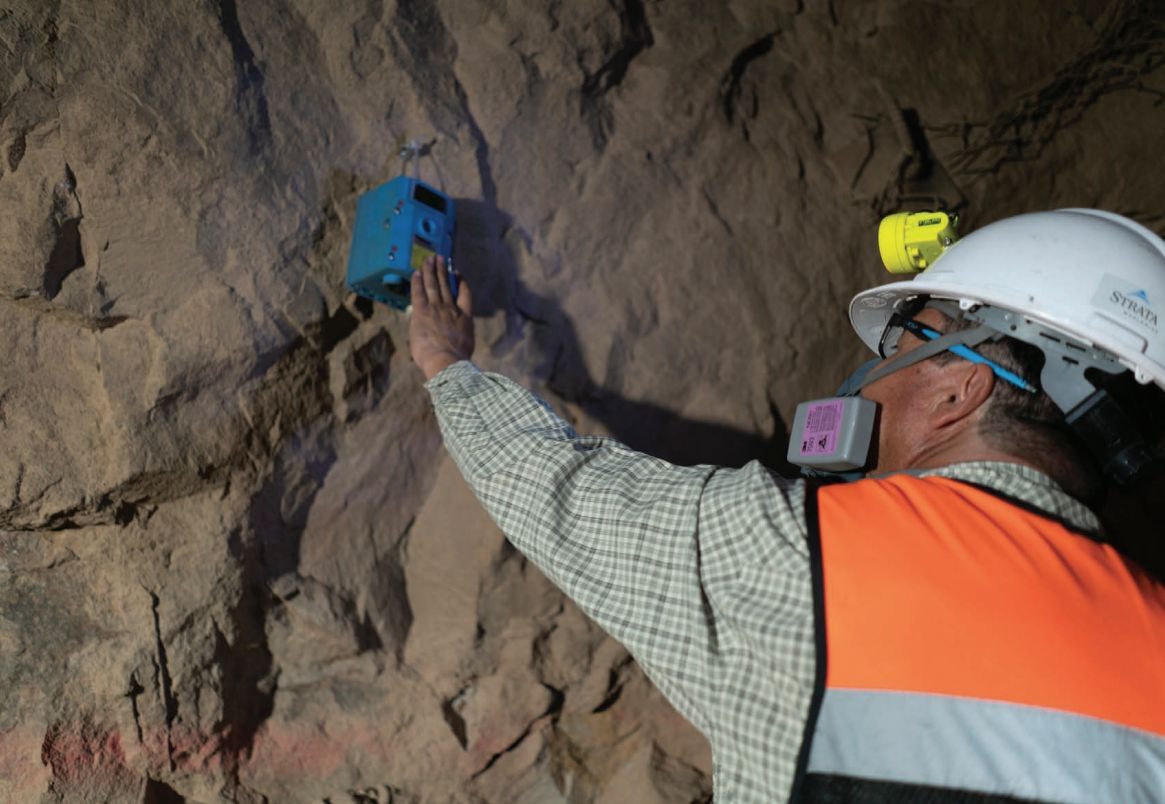
Modern underground enterprises, including mines and tunnels, impose heightened safety requirements for personnel. Confined spaces, lack of natural navigation, and a high risk of accidents make tracking employee movements a critically important element of the production process.
Wireless geolocation technologies enable real-time tracking of the location of personnel and equipment, ensuring prompt response to any emergencies. Such solutions are becoming an integral part of industrial digitalization, helping not only to protect lives but also to improve operational efficiency.
Wireless geolocation technologies enable real-time tracking of the location of personnel and equipment, ensuring prompt response to any emergencies. Such solutions are becoming an integral part of industrial digitalization, helping not only to protect lives but also to improve operational efficiency.
Features of the Underground Environment and Requirements for Positioning Systems
Underground conditions differ significantly from surface infrastructure, requiring the use of specialized technologies. In such environments, miner positioning must be highly reliable and resistant to external factors.
Thus, underground conditions create strict requirements for geolocation systems. Only specialized solutions can ensure stable operation in such complex environments. Reliability and autonomy become key criteria when selecting technologies.
- The absence of GPS signals underground makes it impossible to use traditional navigation devices. Therefore, local wireless networks are used to ensure stable communication even deep within the mine. This requires the deployment of a dedicated positioning infrastructure.
- The complex geometry of mines, with numerous tunnels and branches, complicates coordinate determination. The platform must account for multi-loop routes and function correctly in confined spaces. This is especially important for accurate personnel tracking.
- Increased fault tolerance requirements are driven by the risk of accidents. Even in the event of collapses or power outages, the infrastructure must continue operating. Autonomous power sources are used to achieve this.
- The harsh environment (dust, humidity, gas) imposes strict requirements on equipment protection. Devices must be intrinsically safe and resistant to external impacts. This directly affects their reliability and service life.
Thus, underground conditions create strict requirements for geolocation systems. Only specialized solutions can ensure stable operation in such complex environments. Reliability and autonomy become key criteria when selecting technologies.
Principles of Wireless Positioning
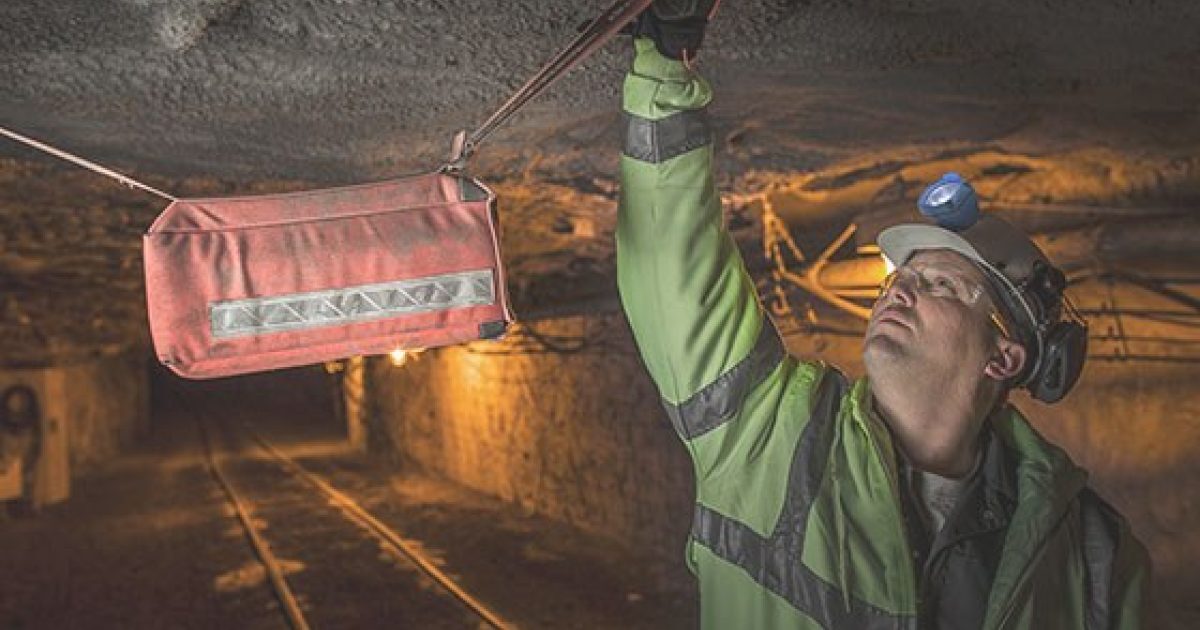
Modern solutions are based on technologies that enable underground positioning without the use of satellite signals. They provide continuous data exchange between devices and the monitoring system.
As a result, such solutions provide continuous monitoring even in challenging conditions. Their flexibility and adaptability ensure stable operation under any environmental changes. This makes wireless technologies a key element of safety.
- The use of wireless communication nodes makes it possible to create a network within the mine. These nodes form a unified information space through which location data is transmitted. This architecture eliminates the need for cable installation.
- Self-forming and self-healing networks automatically reconfigure in case of failures. If one node goes down, the system redirects information through other elements. This increases the resilience of the entire infrastructure.
- Data transmission to the surface is carried out in real time. Information about personnel movement is updated at set intervals, enabling оперативe situation monitoring.
- Positioning accuracy reaches approximately 10–15 meters. This is sufficient for effective movement control and rapid response in emergency situations.
As a result, such solutions provide continuous monitoring even in challenging conditions. Their flexibility and adaptability ensure stable operation under any environmental changes. This makes wireless technologies a key element of safety.
Functional Capabilities of the Strata COMMTRAC Platform
Modern solutions, such as Strata COMMTRAC, offer a wide range of tools for managing safety and production processes. One of the key functions is real-time miner tracking.
These capabilities make the platform not only a safety tool but also an effective management solution. They help improve work organization and reduce risks. As a result, the enterprise gains comprehensive control over its processes.
- The system records the location of personnel and equipment with high accuracy. This allows control over their movements and prevents unauthorized access to hazardous areas.
- Working time control is carried out through movement analysis. It is possible to determine how much time an employee has spent in a specific zone. This simplifies accounting and increases process transparency.
- Route analysis helps identify inefficient movements. Based on this data, internal mine logistics can be optimized, improving productivity.
- Two-way communication ensures message exchange with delivery confirmation. This is important for coordinating actions and transmitting critical information.
These capabilities make the platform not only a safety tool but also an effective management solution. They help improve work organization and reduce risks. As a result, the enterprise gains comprehensive control over its processes.

Safety and Emergency Response
One of the main tasks of geolocation systems is to protect the life and health of workers. Emergency alerting plays a key role in responding quickly to critical situations.
Thus, positioning systems become an essential part of emergency infrastructure. They enable rapid response to threats and help minimize the consequences of incidents. In critical situations, this directly impacts life preservation.
- A panic button allows an employee to instantly send a distress signal. This is especially important in case of injury or life-threatening situations. The signal is immediately transmitted to the surface.
- Alerts inform personnel about emergencies. Messages are delivered directly to workers' devices, accelerating response time and helping to avoid panic and chaos.
- Evacuation management is carried out based on location data. Operators can guide people along safe routes, significantly increasing the chances of successful rescue.
- Operation during power outages is ensured by autonomous energy sources. Even in critical conditions, the system continues functioning, guaranteeing communication continuity.
Thus, positioning systems become an essential part of emergency infrastructure. They enable rapid response to threats and help minimize the consequences of incidents. In critical situations, this directly impacts life preservation.
Limitations and Development Prospects
Despite their high efficiency, modern systems have certain limitations. However, technological advancements are opening new opportunities for improvement.
In the future, technologies will become more accurate and autonomous. Their integration with other platforms will create a unified digital environment for enterprises, ensuring maximum safety and efficiency of underground operations.
- Limited positioning accuracy may be insufficient in some scenarios. In complex environments, signal distortion can affect data quality. This requires further research and enhancement.
- Dependence on network infrastructure means that equipment installation is necessary. Without a deployed network, the system cannot function, increasing initial costs.
- Device energy consumption remains an important factor. Despite the use of batteries, regular maintenance is required, especially for large-scale facilities.
- Future prospects are associated with the integration of IoT and intelligent systems. The use of analytics and artificial intelligence will enable risk prediction, taking safety to a new level.
In the future, technologies will become more accurate and autonomous. Their integration with other platforms will create a unified digital environment for enterprises, ensuring maximum safety and efficiency of underground operations.