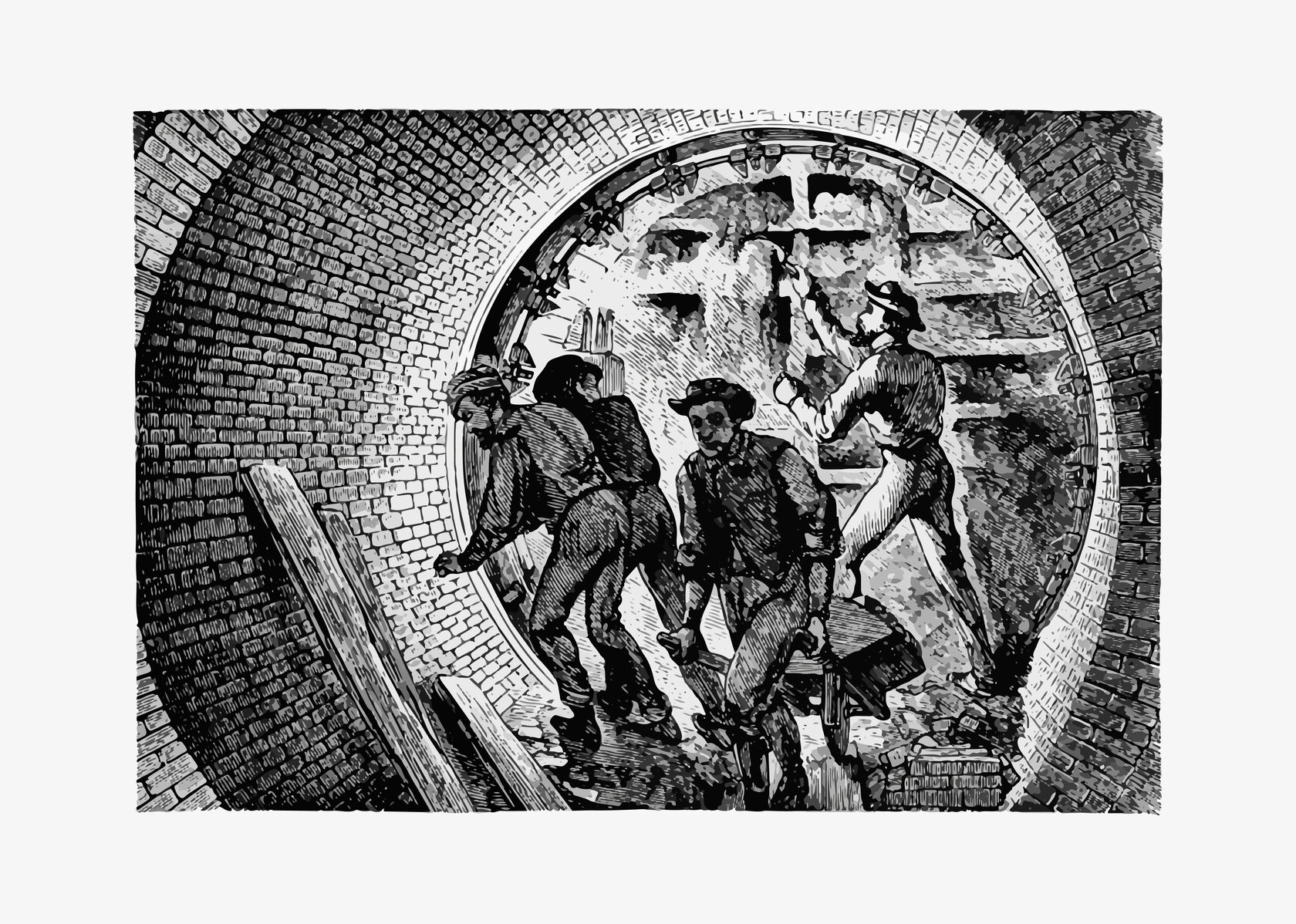
Mining has accompanied humanity since ancient times. Stone, flint, copper, iron, coal, and other mineral resources have been used to manufacture tools, construct buildings, and support industrial development. As mining tasks became more complex, extraction methods and equipment evolved from manual labor to mechanical systems, engineering solutions, automation, and digital technologies.
The Origins of Mining: Stone, Flint, and the First Mines
The first mining operations appeared before the emergence of written records. People extracted flint, obsidian, and other materials for toolmaking and later began mining metal ores. Some ancient mines already featured shafts, galleries, and separate working areas.
Flint mining played a particularly important role. During the Neolithic period, flint was extracted from underground workings, including the famous mines of Spiennes in present-day Belgium. The tools available at the time included:
- stone hammers for breaking rock;
- antler and bone picks and wedges;
- torches for lighting underground areas;
- manual transportation of raw materials to the surface.
The development of copper and bronze metallurgy marked the next stage. To break hard rock, miners used fire-setting, heating the rock and then cooling it with water to create cracks in the rock mass. At the same time, collapses, flooding, poor lighting, and insufficient ventilation remained constant hazards.
Antiquity and the Middle Ages: Scaling Up Extraction
Ancient civilizations significantly increased the scale of metal production. The Romans developed gold, silver, and lead deposits across extensive territories, using a variety of engineering solutions.
The Las Médulas complex in modern-day Spain is a well-known example. Large volumes of water were delivered through channels to break down gold-bearing rock. Water drainage from deep underground workings was another major challenge.
During the Middle Ages, major mining centers emerged alongside mining laws and professional mining organizations. The following technologies were gradually introduced for lifting ore and equipment:
- water wheels and screw mechanisms for lifting water and materials;
- ropes and winches for hoisting;
- horse-powered systems for moving loads;
- mechanical drives to operate mining equipment;
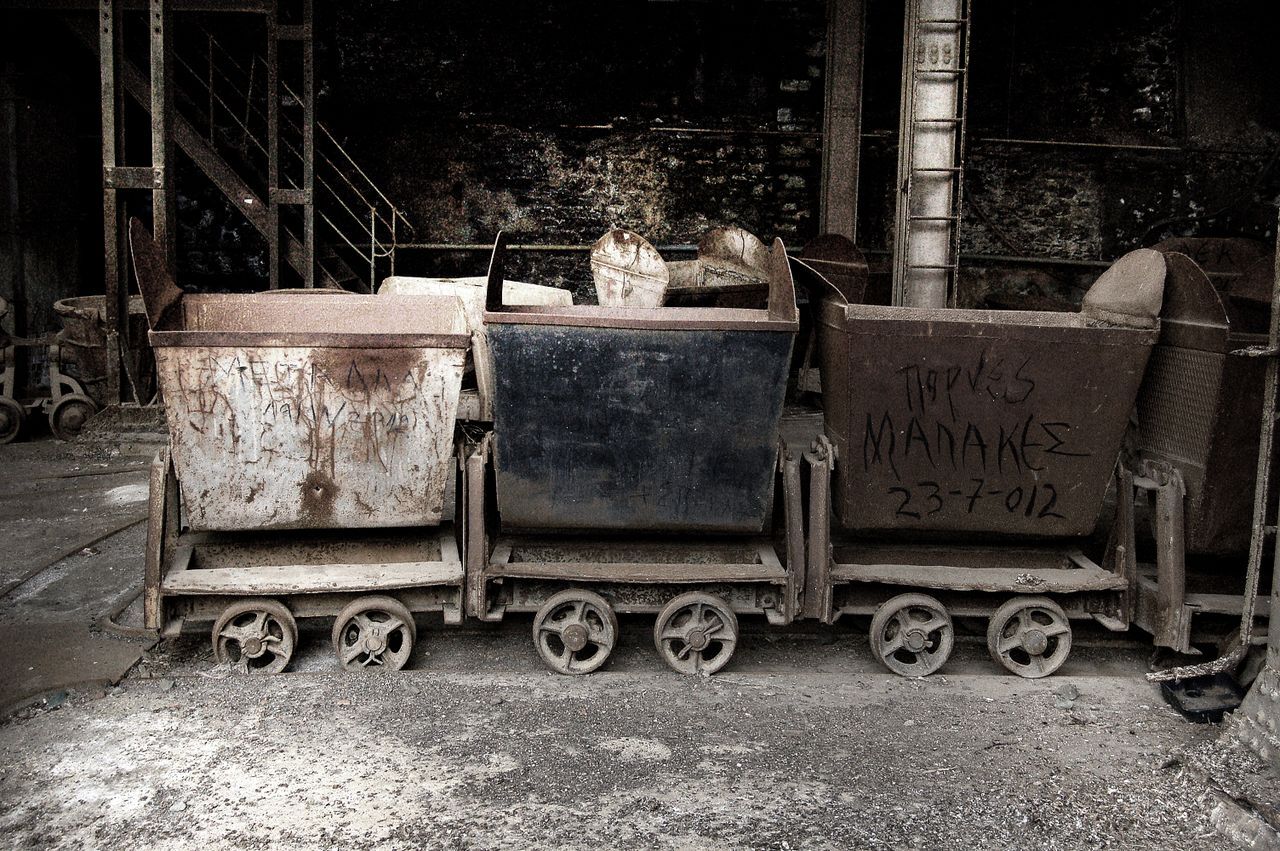
- rail tracks and other internal transportation systems.
These solutions made it possible to develop deeper workings and increase production volumes. An important source of engineering knowledge was Georgius Agricola's De Re Metallica, published in 1556. The work systematized knowledge of mineral exploration, ore extraction, mine drainage, ventilation, transportation, and metallurgy.
The Industrial Revolution: Steam Power, Coal, and Blasting Technologies
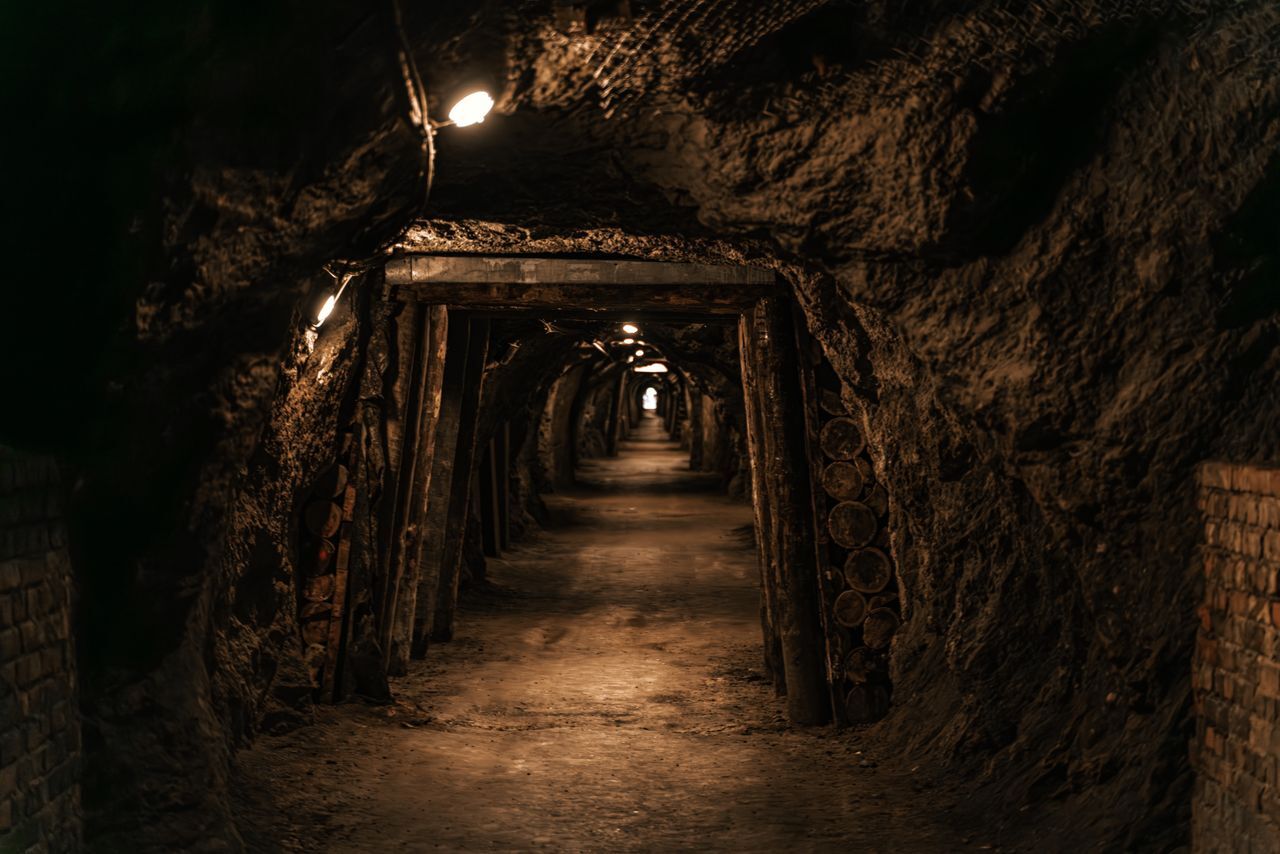
During the 18th and 19th centuries, industrial growth sharply increased demand for coal and metals. Mines had to be developed to greater depths while simultaneously increasing productivity. Water entering underground workings remained one of the main challenges.
Steam engines significantly expanded the possibilities for mine drainage. Thomas Newcomen's engine, developed in the early 18th century, became an important milestone in the development of deeper mines, while subsequent improvements to steam technology broadened its applications.
Transportation also changed significantly. Rail tracks and mine wagons became increasingly common underground, while railways connected mines with factories and ports. Drilling and blasting technologies made it possible to break hard rock more efficiently.
The main achievements of the industrial era included:
- the use of steam engines for mine drainage;
- the development of mechanical drilling;
- the use of explosives;
- the improvement of rail transportation;
- greater government oversight of working conditions.
At the same time, new hazards emerged. Coal mines experienced methane and coal-dust explosions, fires, and collapses. In 1815, Humphry Davy introduced a safety lamp for miners, which helped reduce the risk of igniting combustible mine gases.
The 20th Century: Mechanization and New Safety Systems
During the 20th century, mining entered an era of large-scale mechanization. Electricity was introduced into underground mines and open-pit operations, bringing more powerful pumps, ventilation systems, hoisting equipment, and electric transport. Manual operations were gradually replaced by machinery.
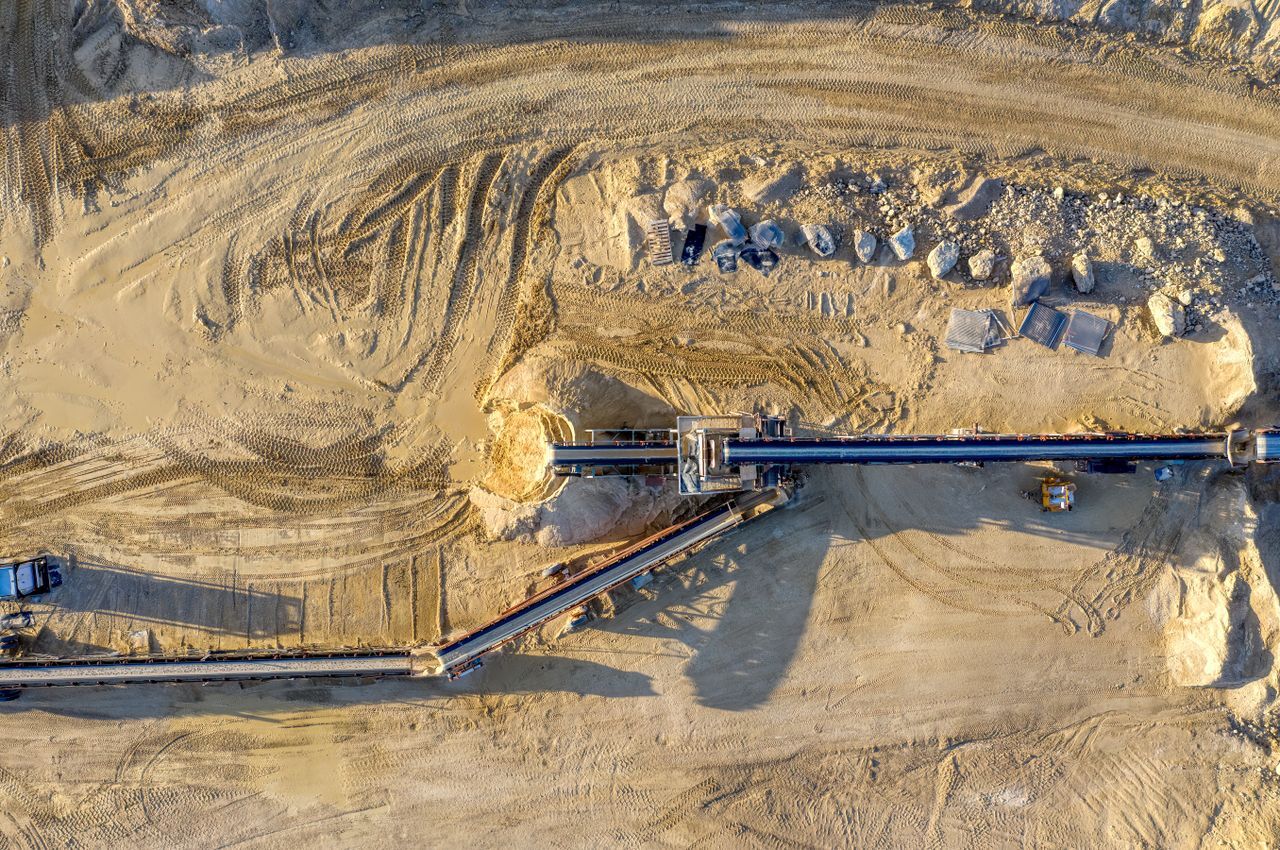
In underground mining, continuous miners, conveyors, and mechanized mining systems became widespread. Open-pit operations increasingly relied on large excavators and haul trucks.
Key developments included:
- the electrification of mines and open-pit operations;
- mechanization of drilling, loading, and transportation;
- the development of ventilation systems;
- the introduction of continuous miners and conveyor systems;
- the use of large-scale open-pit mining equipment;
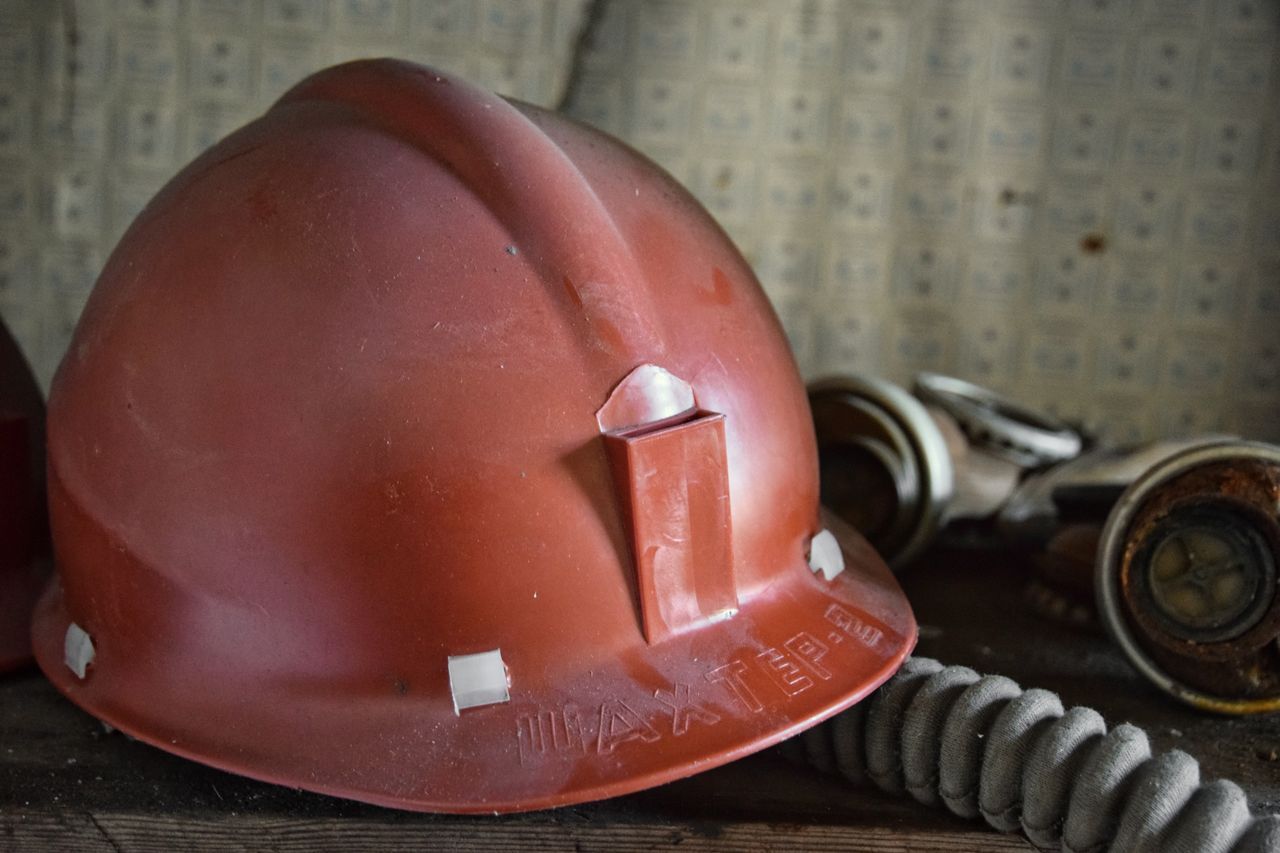
- the development of mine rescue services and protective equipment.
As equipment became more powerful, stricter control of the working environment became necessary. Gas detection, communications, ventilation, and emergency notification systems continued to develop. Monitoring of the mine atmosphere gradually evolved from individual measurements to continuous monitoring of methane, carbon monoxide, carbon dioxide, oxygen, and other parameters.
The next stage was the development of multifunctional safety systems. These systems combine information about atmospheric conditions, the location of personnel, equipment status, and emergency events, enabling operators to assess situations more quickly.
The Digital Mine: Mining in the Industry 4.0 Era
Modern mining companies face increasingly deep deposits, challenging working conditions, and the need to manage both production and safety risks simultaneously. As a result, more mining processes are being transferred to digital environments.
Data from equipment, sensors, communication systems, and positioning technologies is transmitted to information systems and can be analyzed in near real time.
Modern mining operations use:
- personnel and equipment positioning without satellite GPS;
- two-way communication and emergency notification;
- automated mine atmosphere monitoring;
- proximity warning systems;
- equipment condition monitoring and data collection;
- LiDAR scanning and 3D modeling;
- automation of selected production operations.
Underground positioning systems make it possible to determine the location of personnel and equipment where GPS is unavailable. LiDAR technologies provide three-dimensional information about underground workings and make it possible to survey areas where entering in person may involve increased risk.
As a result, digitalization is changing the approach to mine management: production, equipment, and safety data can be considered together within a single information environment.
Alpha-Safety: Safety Technologies for Modern Mines
The development of modern mining is linked not only to productivity but also to the creation of comprehensive safety infrastructure. Alpha-Safety has been working in this field since 2005, providing solutions designed to protect mining operations.
The company offers solutions for positioning, communications, atmospheric monitoring, emergency notification, and mining digitalization. One of its key areas is minePASS, which integrates production data, positioning, and emergency notification.
Alpha-Safety's solutions include:
- minePASS – integration of production data, positioning, and emergency notification;
- STRATA HAZARDAVERT – a system designed to warn about dangerous proximity between people and equipment;
- atmospheric monitoring systems – monitoring of underground air and gas parameters;
- Hovermap by Emesent – LiDAR scanning of hard-to-reach underground areas.
STRATA solutions are used for underground communications and positioning, while gas monitoring systems can transmit information about atmospheric conditions to the mine control center. Hovermap is used to survey stopes and old workings in areas where GPS is unavailable.
These technologies combine monitoring, communications, positioning, and spatial data acquisition, helping specialists make decisions based on up-to-date information.