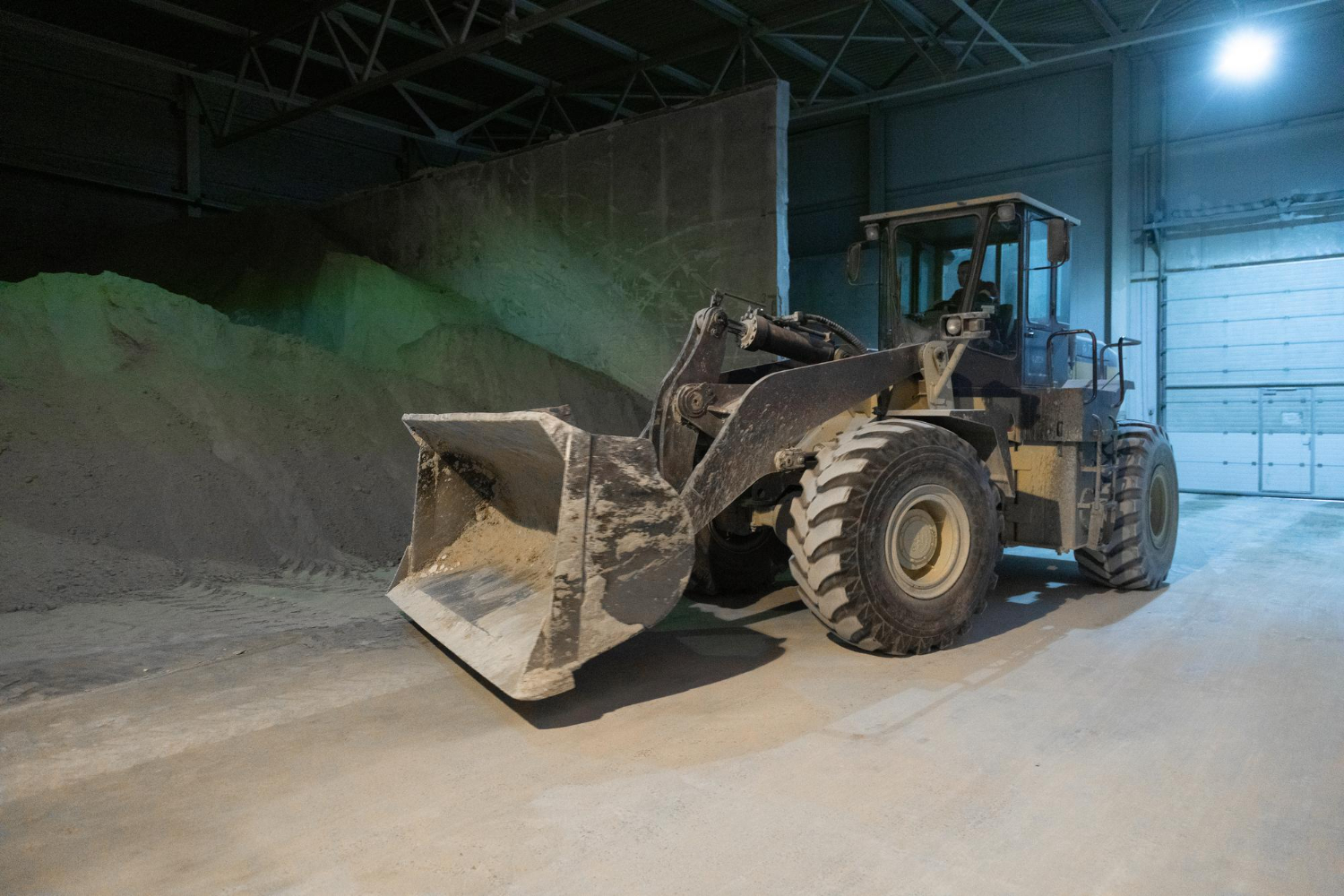
Modern mining operations face unique challenges related to safety, efficiency, and control of production processes. The lack of stable communication and continuously changing mining fronts make data collection extremely difficult. Under such conditions, telemetry implementation becomes a critical tool for increasing productivity, monitoring equipment performance, and supporting operational decision-making.
Key Objectives of Underground Equipment Telemetry
Telemetry systems for underground transport are designed to monitor and analyze operations, minimize downtime, and improve safety. With telemetry solutions, dispatchers receive accurate data on equipment condition and can track task execution in real time.
Main objectives include:
Remote monitoring of mining transport allows companies not only to track current equipment conditions but also to forecast operations, reduce operational risks, and ensure timely intervention when irregularities occur.
Main objectives include:
- Data collection: recording equipment location, downtime, maintenance activities, and other key operational parameters.
- Shift task control: automatic transmission of assignments to drivers and operators, confirmation of task receipt, and monitoring of task completion.
- Analytical reporting: comparison of planned and actual performance indicators, identification of deviations and downtime causes, and automatic generation of shift summary reports.
- Safety improvement: monitoring critical parameters, detecting deviations, and providing timely dispatcher alerts in emergency situations.
Remote monitoring of mining transport allows companies not only to track current equipment conditions but also to forecast operations, reduce operational risks, and ensure timely intervention when irregularities occur.
Telemetry System Architecture
Monitoring based on the Minepass platform together with Nerospec devices creates an integrated system that combines data acquisition, transmission, and analytical processing within a single platform. This architecture ensures continuous monitoring.
Key architectural components include:
Such architecture enables the creation of a digital twin of the mine, ensuring full process transparency and efficient equipment management. Data collection, storage, and processing become reliable and scalable — a critical requirement for large enterprises operating extensive equipment fleets.
Key architectural components include:
- Sensors and devices: GPS trackers, CAN adapters, fuel sensors, temperature sensors, and monitoring systems for assemblies and mechanisms.
- Data transmission: use of Wi-Fi and wireless protocols, local data storage during communication loss, and integration with non-volatile storage devices.
- Network infrastructure: deployment of Wi-Fi access points throughout the mine, use of M2M SIM cards with backup communication channels, and support for data transmission under unstable signal conditions.
- Upper-level software: data visualization, integration with mine planning systems, notification configuration, reporting tools, and analytics modules.
Such architecture enables the creation of a digital twin of the mine, ensuring full process transparency and efficient equipment management. Data collection, storage, and processing become reliable and scalable — a critical requirement for large enterprises operating extensive equipment fleets.
Real-Time Data Analysis
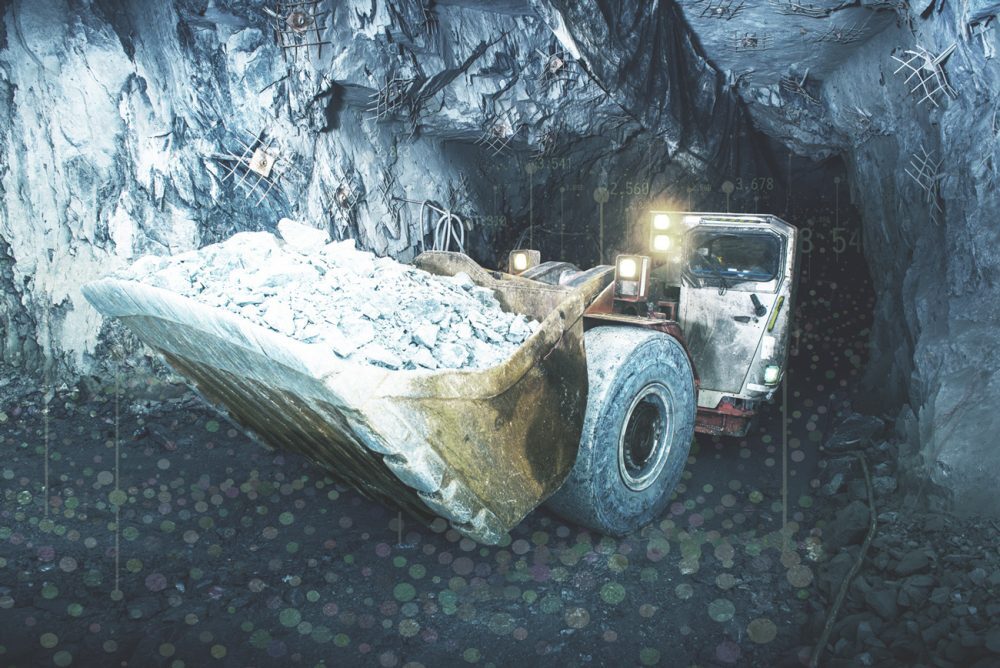
Automation solutions allow dispatchers to take immediate action without delays, ensuring continuous optimization of mining operations. The system analyzes equipment performance data, compares it with planned schedules, and generates recommendations for resource redistribution.
Key analytical capabilities include:
Real-time analysis minimizes losses of time and resources while significantly improving operational transparency, reducing human-factor dependency, and increasing enterprise productivity.
Key analytical capabilities include:
- Performance monitoring: tracking operating time, idle time, downtime, repairs, and efficiency coefficients.
- Predictive maintenance: identifying the need for preventive maintenance based on actual load, mileage, and engine performance data.
- Operational and logistics optimization: redistribution of machinery between mining zones, adjustment of shift assignments, and automated shift planning using scheduling tools.
- Efficiency improvement through analytics: identification of bottlenecks, determination of downtime causes, and automatic generation of consolidated reports and dispatcher recommendations.
Real-time analysis minimizes losses of time and resources while significantly improving operational transparency, reducing human-factor dependency, and increasing enterprise productivity.
Implementation Challenges and Solutions
Telemetry deployment involves several technical and organizational challenges. The main difficulties are associated with unstable communication, equipment diversity, and the need for scalable infrastructure.
Key challenges include:
A systematic approach and thorough implementation planning help minimize deployment challenges while creating a foundation for further automation and optimization.
Key challenges include:
- Communication limitations: infrastructure damage and blasting operations disrupt data transmission; solutions include wireless protocols, backup communication channels, and non-volatile data storage.
- Equipment configuration and installation: proper sensor placement and channel setup are critical; solutions include centralized configuration via web interfaces and MDM systems.
- Scalability: growth in monitored assets requires system expansion; solutions include modular architecture, support for additional sensors, and integration with various software platforms.
A systematic approach and thorough implementation planning help minimize deployment challenges while creating a foundation for further automation and optimization.
Technology Prospects and Future Development
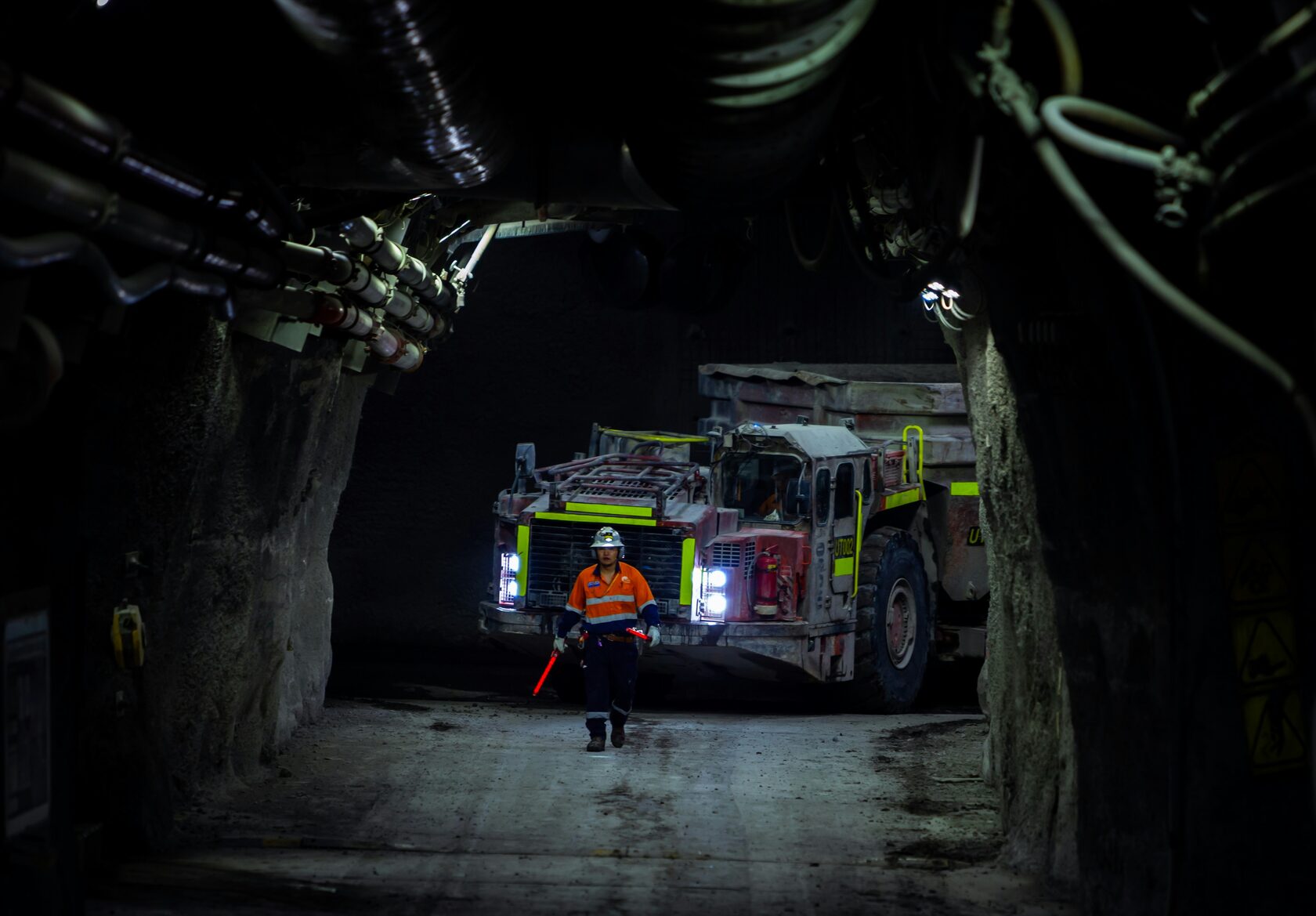
Equipment telemetry is evolving toward full mine digitalization, integration with enterprise systems, and the use of big data analytics. Future systems will combine IoT, M2M, and AI technologies, enabling not only process monitoring but also predictive failure detection and proactive equipment optimization.
Key development trends include:
Modern telemetry technologies are becoming a strategic enterprise management tool. They improve efficiency, reduce operational risks, and make mining processes максимально transparent and controllable.
Key development trends include:
- IoT and M2M technologies: integration with ERP and BI systems and centralized data processing.
- Artificial intelligence and machine learning: failure prediction, equipment route optimization, and automatic adjustment of mining plans.
- Full mine digitalization: visualization of equipment and material flows and real-time resource management.
Modern telemetry technologies are becoming a strategic enterprise management tool. They improve efficiency, reduce operational risks, and make mining processes максимально transparent and controllable.